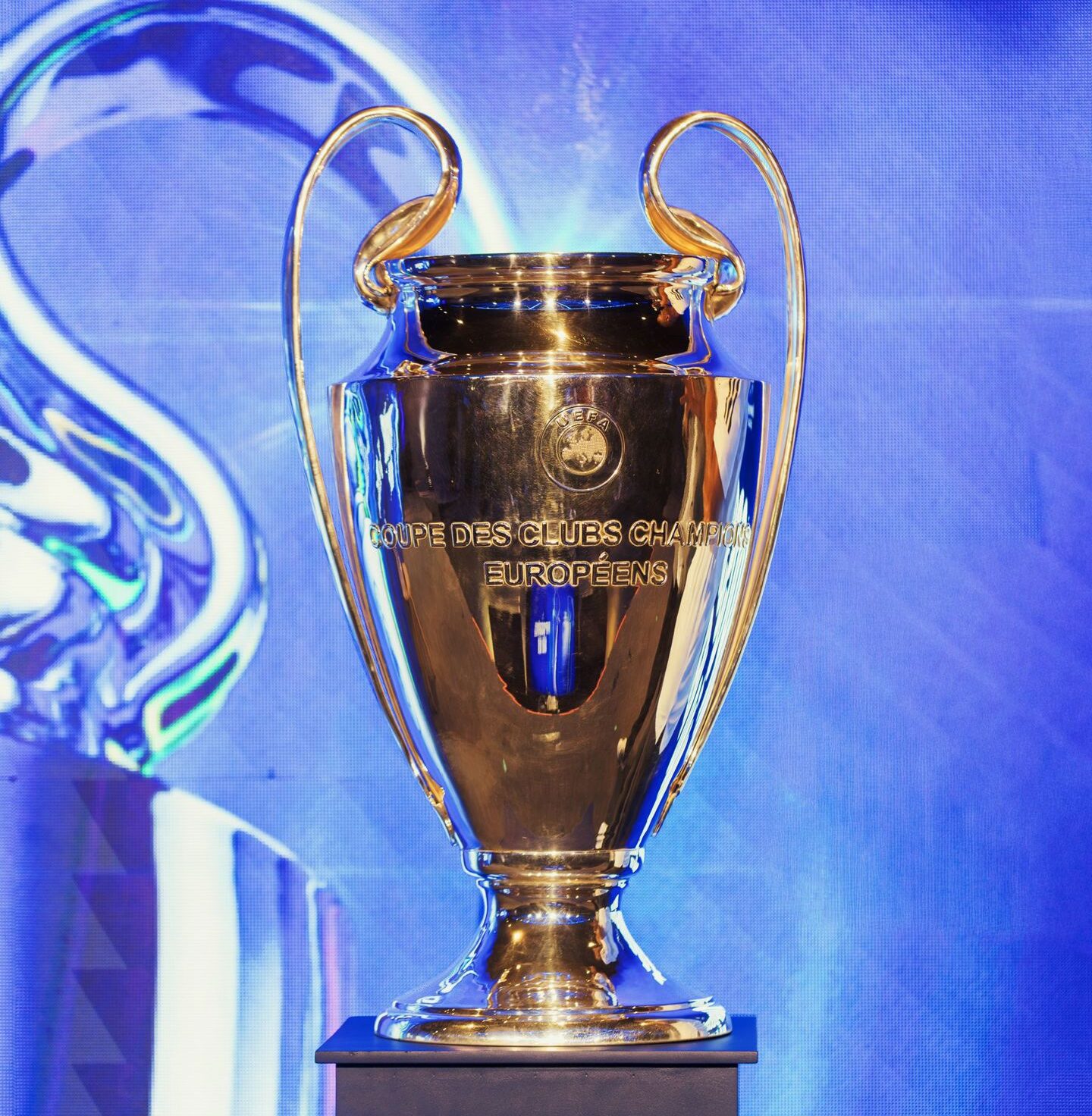
The league-phase format of the Champions League is now starting to achieve what UEFA set out to do: more big games earlier in the season. Rather than the elite sides playing the same three teams away and at home in the autumn, Europe’s top teams now play a different eight teams in a single 36-team table.
That makes for a match that is less of a foregone conclusion even before the knockout rounds start. The league phase for the 2026/27 season has already featured games such as Real Madrid vs Inter, Liverpool vs Atlético Madrid, and Arsenal vs Napoli, with further clashes between Manchester City and Paris Saint-Germain, and Roma and Real Madrid.
Why Is the New Format Producing Bigger Games Earlier?
Every club is drawn against two teams from each of the four pots, an effective way to ensure more elite teams play each other. That includes games against teams in the same pot, which the old group-stage format largely eschewed.
In the old system, teams were divided into 8 groups and each team played only 3 different teams twice. The new league phase features 36 teams, each having four home and four away league matches.
The change results in 144 distinct combinations of league-phase matches. The previous group-stage format featured 48 unique home-and-away fixtures.
This is already reflected in the fixture list. On the first day of the competition, Liverpool host Atlético Madrid and Real Madrid play Inter, with Bayern Munich taking on Arsenal and Arsenal against Real Madrid to follow.
Does Playing Eight Opponents Make the Competition Harder to Predict?
The Champions League is much more varied in the first eight months as eight different clubs are involved. A team can no longer rely on two games against a weaker side or on a preparation game to bounce back from a tough game.
Also, the table incorporates all results into a larger competition. The 36 clubs are grouped, and the top eight enter the round of 16, while the 24th to 28th clubs take part in knockout play-offs. Clubs outside of the top 24 will be dropped.
For instance, that puts pressure on both ends of the table. It’s not just about qualification, but major clubs are looking to avoid two more knockouts by getting into the top eight.
Why Is the New Format More Interesting for Football Betting?
Elite matchups also help shift the betting landscape around the competition. High-profile fixtures come earlier, allowing bettors to access the biggest European clubs playing against each other in the league stages, not just in February and March.
A match like Manchester City vs Paris Saint-Germain naturally creates a lot of interest in the match-winner, goals, player and live-betting markets, compared to many of the more traditional matches in the group stage. While looking at odds, promotions, or offers, fans might also see comparison sites like CasinoMinimitalletus5e.com when exploring the various betting opportunities on big European nights.
Moreover, the league table itself generates other betting stories. It can change in a heartbeat as each team chases qualification places, top-eight spots, and play-off berths.
That impact is significant at the end of the league rounds. Under UEFA’s format, all 18 games on the final round are to be played at the same time and a goal scored in one stadium can have an immediate impact on qualification or seeding in another.
Has the Format Already Made the League Phase More Competitive?
Initial indications are that the league round is making qualification more difficult. UEFA analyzed the first season under the format and concluded that the changing order of the table kept interest high throughout the season, and that the surprise teams were able to compete for the knockout places.
That uncertainty is caused by the greater number of opponents. The strong clubs can no longer build on one known opposition and the aspiring smaller sides have greater opportunities to pick up points against different opposition.
Also, this season is a case in point. Arsenal started with a 1-0 away victory at Napoli, Aston Villa scored a 3-2 victory at Club Brugge, Barcelona outperformed Feyenoord 5-1, and Real Madrid took the upper hand over Inter 2-1 on the opening matchday.
Those fixtures were the ones that resulted in a combination of big games and chances for lesser-known clubs to make a splash.
Are There Downsides to More Elite Fixtures?
The greatest worry is workload. The old Champions League group stage had six games, and the league stage has eight, pushing the European action further into January.
Two additional high-intensity contests can strain a club’s depth, especially for clubs involved in domestic, European, and cup play. So it’s a format that favors teams capable of making changes without hampering the starting XI.
There is also a danger that the novelty of some of the games is diminished by repeat heavyweight games. Meetings between the biggest clubs in Europe could become more commonplace in the autumn if they are more regular.
But, for now, the reverse seems to be the case. The more diverse format has made the league phase more meaningful in the absence of knockout play.
Is the Champions League Becoming More Compelling Before February?
All in all, the best case for the new format is the increased importance of the league phase. With eight different opponents and a direct qualification system for the top eight, there’s less opportunity for clubs to drift in autumn, knowing that four victories over weaker group clubs will likely secure them a place in the top eight.
That’s reflected in the 2026/27 schedule. During the October program, Manchester City host Paris Saint-Germain, Arsenal take on Bayern Munich and Real Madrid, and Atlético Madrid and Manchester United clash.
The Champions League has been based on the best matches in Europe. The difference this time is that fans will be able to see many of them before the knockout rounds.