From Santiago to Mumbai, from Paris to São Paulo, major sporting events move more than fans: they activate entire betting cultures. The global sports-betting industry surpassed US $108 billion in 2024, and analysts expect it to nearly double by 2030, driven largely by mega-events such as the World Cup, Champions League, cricket championships, and high-stakes local leagues.
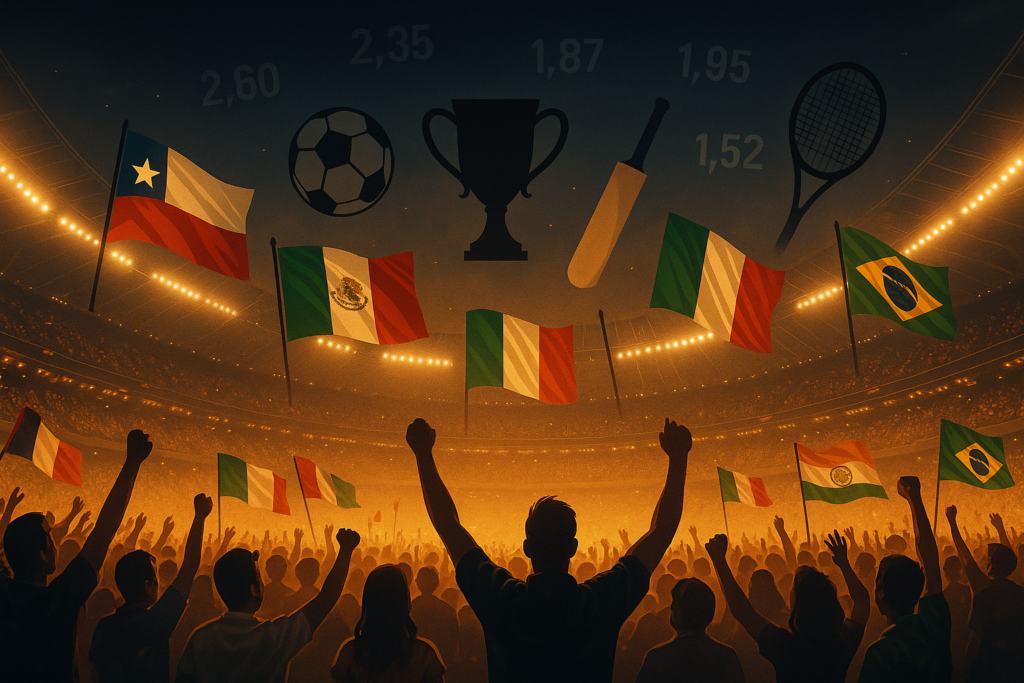
In Chile, football is stitched into the fabric of daily life — something felt not only in the stadiums of Santiago or Valparaíso, but also on betting slips and mobile screens across the country. When Colo-Colo fights for points in the Campeonato Nacional or when Universidad de Chile sparks another clásico, betting activity surges almost instinctively. But Chileans don’t stop at local borders: on Champions League nights, betting traffic mirrors that of Europe, especially when giant clubs like Real Madrid or Manchester City step onto the pitch.
International tournaments such as the Copa Libertadores, the World Cup, and major European leagues consistently dominate betting interest. During the World Cup, even casual fans find themselves comparing odds, checking player markets, and debating predictions on Twitter or Instagram — habits reinforced by the presence of major operators in the market.
Chileans today place bets mostly through internationally recognized brands such as Betsson, Stake, bet365, Novibet and Betano, all of which offer not just odds but a sense of global connection. On Libertadores nights, for example, Betano Chile often highlights real-time odds and special markets; Betsson pushes live betting for local derbies; Stake leans heavily on fast markets and micro-bets, a format that resonates with younger bettors.
Local media such as PrensaFútbol reinforce these betting rhythms with previews, injury updates and analysis. Chile’s strong engagement with both national and international football makes it one of Latin America’s most dynamic betting cultures — plugged into the world while fiercely protective of its local identity.
More context can be found through the ANFP, CONMEBOL and FIFA, which chronicle the tournaments that Chileans follow — and bet on — with unwavering passion.
Mexico lives and breathes football. On matchdays of Liga MX, streets flood with green jerseys, and social media turns into a rolling wave of memes, predictions, and friendly trash talk. It’s no surprise, then, that betting spikes around local fixtures involving América, Chivas or Tigres — games that capture the country’s attention every week.
But Mexican bettors have an appetite that stretches far beyond their borders. The UEFA Champions League commands massive audiences in México, often matching or exceeding some domestic fixtures in betting activity. And during the World Cup, the entire country transforms; every match involving “El Tri” becomes both a national event and a betting festival.
Unlike Chile, México also carries a strong influence from the United States. The Super Bowl is one of the biggest betting events of the year, drawing huge audiences through both traditional broadcasters and the digital coverage of ESPN México.
Mexicans place bets through platforms like Caliente.mx and Codere México, but international operators such as bet365 also have a strong base. Liga MX itself provides the fuel: its official page, https://ligamx.net, is one of the most visited sports sites in the country, and its popularity translates directly into betting volume.
For Mexicans, betting isn’t a niche hobby — it’s a way of extending football fandom, of participating more actively in the spectacle. And as global sports grow closer through streaming, México’s betting habits reflect a world that gets smaller — but more exciting — with every kick of the ball.
France has one of Europe’s most sophisticated and regulated betting ecosystems, and its sporting culture is equally rich. On weekends, you’ll hear heated debates in Parisian cafés about Ligue 1; on spring afternoons, the clay courts of Roland-Garros dominate screens and conversations across the country.
The French betting calendar is shaped by events that are both local and universal. Paris Saint-Germain matches generate enormous traffic, but so do the Six Nations Rugby Tournament, the Tour de France, and most notably, Champions League nights — when French bettors align with the rest of Europe.
French punters rely on data from the ANJ, France’s national gambling authority, which periodically publishes insights into betting behavior. Their reports often reveal the same story: football reigns, tennis follows closely, and rugby surges during internationals. Media outlets like L’Équipe give these habits a heartbeat, offering the news and analysis that fuel most of France’s pre-match discussions.
For the French, betting is not merely entertainment — it’s intertwined with their cultural rituals around sport. Whether tracking PSG’s quest for European glory or cheering on national tennis stars at Roland-Garros, betting becomes another layer of the sporting experience.
In Italy, football is an emotional language — one spoken in stadiums, living rooms, pizzerias and even workplaces. This sentiment spills naturally into betting culture. Serie A matches carry enormous volume: every week, millions of Italians look up odds for Inter, Milan, Juventus or Roma as if scanning the weather forecast.
But Italian bettors are not restricted to domestic leagues. The Champions League is practically a national obsession, especially when Italian clubs advance deep into the tournament. The intensity increases during Europe-wide events like the Euro Cup, where Italians follow their national team with almost religious devotion.
Beyond football, Italy also bets heavily on motorsport — particularly Formula 1, where Ferrari’s presence makes every Grand Prix a national event. Traditional sports media such as La Gazzetta dello Sport and institutions like the FIGC guide Italian fans through the narratives that eventually shape their betting decisions.
Italy’s betting culture blends heritage with modernity: centuries-long sports passions paired with the high-tech interfaces of contemporary bookmakers. The outcome is predictable — in Italy, betting is not just a pastime; it’s part of sports life.
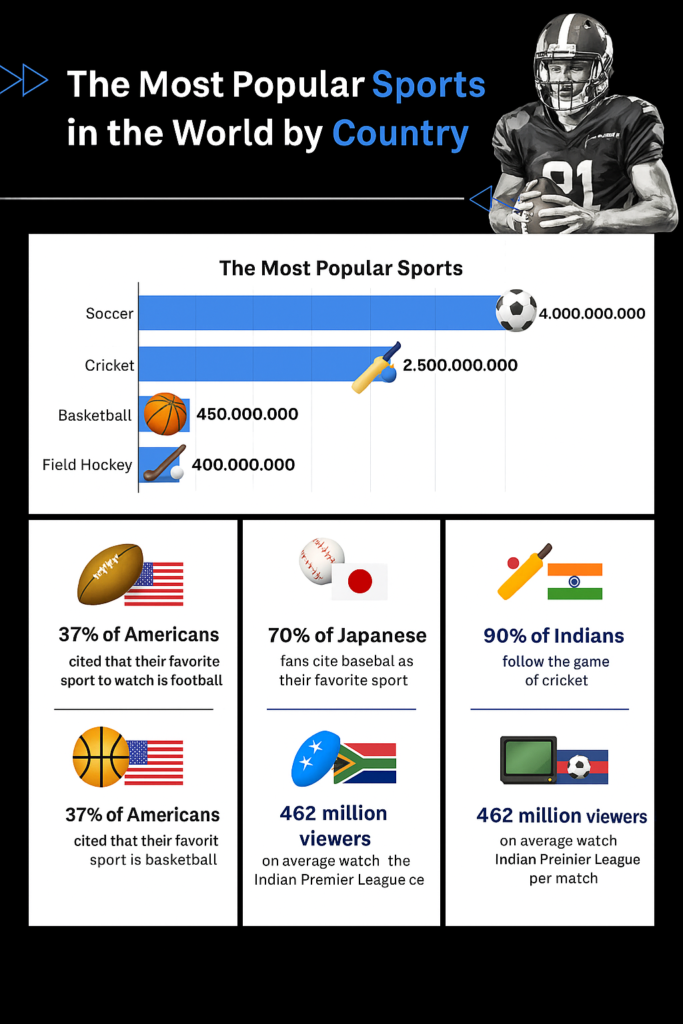
If there is one place where a single sport dominates betting culture more than anywhere else on the planet, it’s India with cricket. When the Indian Premier League (IPL) season starts, the country transforms: cities slow down, bars fill up, every office conversation turns into match predictions, and social media explodes with hashtags. Betting — legal in some formats, grey-area in others — becomes a parallel frenzy.
The ICC Cricket World Cup, the T20 World Cup, and even bilateral series between India and Pakistan ignite levels of engagement unmatched globally. Twitter trends shift instantly with every wicket, catch, or boundary.
Indian bettors also follow foreign leagues — notably the English Premier League — but cricket maintains a cultural monopoly. The BCCI is arguably the most influential sports body in the country, with the power to shift national mood through scheduling alone.
In India, cricket doesn’t just attract bets; it shapes national identity. Every ball feels personal, and every prediction becomes a shared experience.
In the UK, betting is as much a part of the sporting experience as the games themselves. Football dominates, with Premier League matches stirring up intense debate in pubs, offices, and living rooms. The excitement peaks during big events like the FA Cup and the Champions League, when British bettors flock to the best British betting sites to seek insights and place wagers.
Rugby, horse racing, and cricket also enjoy loyal followings, each attracting significant betting action. Here, sports media like the BBC and The Telegraph fuel the conversation, making betting an integral part of the UK’s sports culture.
Brazil’s sports culture is thunderous, rhythmic, emotional — and this energy pours directly into its betting habits. When Flamengo or Palmeiras play in the Campeonato Brasileiro Série A, or when Brazilian clubs chase glory in the Copa Libertadores, betting activity across Brazil surges to levels unmatched in Latin America.
The World Cup is practically a sacred month-long festival: streets are painted, companies adjust schedules, and betting platforms experience peak traffic. Brazil’s love for football is so deep that even European tournaments — especially the UEFA Champions League — draw massive viewing and betting audiences.
Local media outlets such as Globo Esporte amplify the hype with constant coverage, while regulatory news from Brazil’s Ministry of Finance shapes discussions about the future of online betting in the country.
What sets Brazil apart is the emotional style of betting: slips filled with instinct, hope and intuition. For Brazilians, betting is not just numbers — it’s belief. And belief in sport is something Brazil has never lacked.
From Chile’s passion for local derbies to India’s cricket-charged evenings, from the elegance of French clay courts to the electric stadiums of Brazil, the world’s biggest sporting events do more than entertain — they shape identities, fuel traditions and ignite massive waves of betting activity. Each country brings its own rhythm: Chile mixes local loyalty with global football; México balances Liga MX intensity with U.S. sports influence; France blends regulated sophistication with cultural rituals; Italy turns every match into emotional theatre; India treats cricket as a national heartbeat; and Brazil channels pure, explosive passion into every prediction.
Despite their differences, these markets share a common thread: major sporting events have become global touchpoints where fandom meets participation. Betting is no longer a side activity — it is part of how millions of people engage with tournaments, celebrate victories, debate outcomes, and immerse themselves in the narratives they love.
As international streaming expands, operators become more advanced, and mega-events continue to break viewership records, the world of sports betting becomes increasingly interconnected. Whether the setting is Santiago, Mumbai, Paris, Mexico City or Rio de Janeiro, one truth remains constant: the biggest sporting events don’t just unite fans — they unite bettors too, creating a global community driven by excitement, culture and the timeless joy of the game.