For many years, betting in Italy was strongly connected to physical venues. Local betting shops served as popular meeting places where people gathered to wager on football matches, horse racing, and various sporting events. Throughout the late 1990s and early 2000s, these locations became deeply embedded in daily life across numerous Italian towns and cities.
Over the past fifteen years, however, Italy’s betting industry has undergone a major transformation. The rise of smartphones, faster internet connections, digital payment systems, and updated regulations has fueled a significant move toward online platforms. Today, millions of Italians prefer placing wagers through mobile apps and websites instead of visiting traditional betting shops.
This evolution has not only influenced player behavior but has also changed the way operators, regulators, and technology providers manage the sector.
Before online gambling became mainstream, betting in Italy was primarily centered around physical retail locations. Licensed betting shops provided customers with a regulated setting where they could place wagers directly in person.
Football betting was especially popular in these venues. Serie A matches, Champions League games, and international tournaments frequently attracted large numbers of bettors. In many communities, betting shops also acted as informal social hubs where sports fans exchanged opinions and predictions.
During this period, operators concentrated heavily on expanding their retail presence. Companies competed for prime locations in busy districts, shopping areas, and near transport connections. Strong visibility and high foot traffic were viewed as key drivers of growth.
The Italian government maintained strict oversight through licensing frameworks managed by the Agenzia delle Dogane e dei Monopoli (ADM), previously known as AAMS. The objective was to preserve legal control over the market while limiting illegal gambling activities.
Italy began opening its online betting market during the mid-2000s. Regulatory changes allowed licensed digital operators to legally provide betting services through the internet.
Initially, adoption moved slowly. Many consumers remained loyal to traditional betting shops because online platforms still felt unfamiliar, and internet access was less developed than it is today.
The situation changed rapidly with the spread of smartphones and mobile technology. Betting suddenly became accessible from virtually anywhere at any time. Players no longer needed to travel to a shop or wait in queues to place bets.
Live betting options became another major factor behind this shift. Bettors could place wagers during matches in real time, creating a far more dynamic and engaging experience than most retail shops could offer.
As a result, operators significantly increased investment in digital systems, mobile applications, and intuitive interfaces. The industry focus gradually moved away from retail expansion and toward improving mobile usability and customer engagement.
The growth of online betting platforms dramatically changed the behavior of Italian bettors.
Traditional retail betting depended on physical attendance and limited operating hours. Online platforms removed those barriers entirely. Players could access sports betting, poker, casino games, and live events directly from their smartphones.
Convenience quickly became one of the biggest reasons behind the digital transition. Online platforms enabled users to:
Younger audiences adapted especially quickly to online wagering. Digital-native users generally felt more comfortable using apps and e-wallets than visiting physical betting locations.
The COVID-19 pandemic accelerated this trend even further. During lockdowns, many betting shops temporarily shut down, while online gambling activity increased significantly across Europe, including Italy. In the UK as well, Covid pushed more people towards the best betting sites in the UK.
Even after restrictions were lifted, many users continued using digital platforms because they had become accustomed to the speed and convenience of online betting.
Italy continues to maintain one of Europe’s most tightly regulated gambling markets. Regulation has played a critical role in guiding the transition from retail betting to online platforms.
ADM introduced several measures aimed at improving transparency, enhancing player protection, and strengthening market supervision. These included tougher licensing conditions, responsible gambling tools, and centralized systems for monitoring operator activity.
Recent reforms have also reduced fragmentation within the market by introducing higher financial and technical requirements for operators. Many analysts believe the number of active betting websites in Italy will decline under the revised licensing framework.
Self-exclusion systems have become another important feature of the online betting environment. Through centralized government-linked systems, players can voluntarily block themselves from gambling services.
Although stricter regulation increased operating expenses for betting companies, it also improved trust in licensed online platforms.
The gap between traditional betting shops and modern digital platforms is considerable.
| Feature | Retail Betting Shops | Online Platforms |
| Accessibility | Restricted by location and business hours | Available 24/7 |
| Betting Speed | Manual betting process | Instant wagering |
| Live Betting | Limited availability | Extensive live markets |
| Payment Methods | Mainly cash-based | Cards and digital wallets |
| User Experience | Face-to-face interaction | Mobile and app-focused |
| Data & Analytics | Limited information | Real-time statistics |
| Responsible Gaming Tools | Basic systems | Advanced monitoring features |
The comparison clearly explains why so many Italian bettors gradually embraced online platforms. Digital services simply deliver greater flexibility and convenience.
Many traditional betting companies initially depended heavily on retail shops. Over time, however, operators recognized that long-term success required a strong digital presence.
One example is SNAI, historically known for its widespread network of betting locations throughout Italy. As the market evolved, the company strengthened its online operations by investing in mobile betting technologies and integrated digital services.
This type of omnichannel strategy became increasingly common across the industry. Rather than abandoning retail operations completely, operators focused on connecting physical and digital experiences within a single ecosystem.
Customers could access both retail and online services through one account, creating a smoother experience across different channels.
The integration of physical and digital operations has become one of the defining features of Italy’s modern betting market.
Technology remains at the core of Italy’s betting transformation.
Several innovations accelerated the migration toward online betting platforms.
Mobile apps made betting simpler, faster, and more accessible. Today, most online wagers in Italy are placed through smartphones instead of desktop computers.
Streaming technology allows users to watch sporting events directly inside betting platforms, boosting both engagement and betting activity.
The expansion of secure payment systems simplified deposits and withdrawals. Many consumers increasingly favored digital transactions over cash payments.
Modern betting platforms rely on real-time data to personalize user experiences, update odds instantly, and monitor activity for compliance purposes.
Operators and regulators now use automated systems to detect suspicious behavior, strengthen fraud prevention, and support responsible gaming measures.
Although betting shops are still present throughout Italy, their influence has steadily declined.
Several factors contributed to this trend:
Many betting shops now attract significantly less foot traffic than they did ten years ago. Some operators have closed weaker retail locations and redirected investment toward digital growth.
Despite this decline, retail betting has not disappeared entirely. In smaller communities and among older generations, physical betting shops still hold cultural importance.
For some customers, the social side of retail betting remains appealing. Watching matches together, discussing odds face-to-face, and interacting with staff continue to attract loyal visitors.
Even so, the broader market trend clearly points toward continued digital expansion.
Another major operator adapting to this evolving market is Goldbet. Like many established betting brands in Italy, the company expanded beyond physical locations by strengthening its online and mobile services.
This reflects a wider industry movement toward omnichannel betting ecosystems. Operators no longer treat retail and online as separate sectors. Instead, they aim to deliver integrated experiences that allow users to move smoothly between physical shops and digital platforms.
The companies most likely to succeed in the future are those capable of combining technological innovation with strong regulatory compliance and responsible gaming standards.
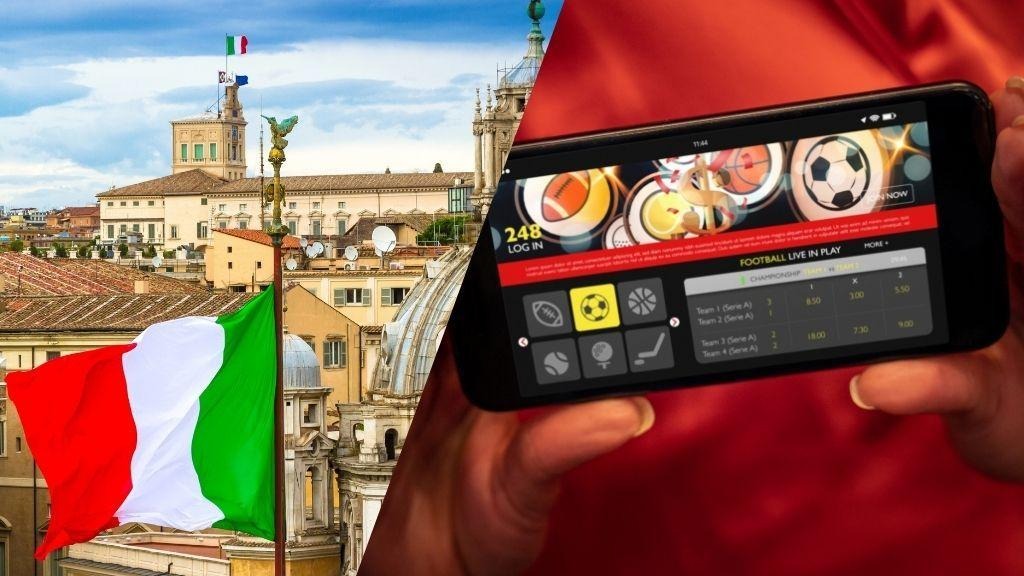
Italy’s betting industry is expected to continue shifting toward digital platforms over the coming decade.
Recent reforms indicate a stronger emphasis on transparency, responsible gambling, and tighter market oversight. Operators now face stricter licensing conditions and increasingly advanced monitoring requirements.
At the same time, technology continues to reshape customer expectations. Users now demand faster apps, seamless payment systems, real-time betting options, and more personalized experiences.
Retail betting shops may continue to exist within the Italian gambling landscape, but their role will likely become more specialized and less dominant than in previous years.
The Italian market now mirrors a broader European trend: gambling is no longer focused solely on physical venues. Instead, it operates within a connected digital ecosystem where convenience, regulation, and technology define the modern customer experience.
The transition was largely driven by smartphones, internet accessibility, digital payments, and changing consumer preferences. Online betting offers greater convenience and flexibility compared to retail locations.
Yes. Online betting is legal in Italy as long as operators hold a valid license issued by ADM, the Italian Customs and Monopolies Agency.
Yes, many betting shops are still active across Italy. However, their overall importance has declined as online betting continues to expand.
Italy regulates online gambling through ADM. The agency oversees licensing, responsible gaming measures, player protection, and operator compliance. UK also has strict regulations about responsible gambling.
An omnichannel model combines retail and online betting services into one integrated system, allowing customers to move seamlessly between physical betting shops and digital platforms.