Introduction
In recent years, the Italian betting landscape has undergone a profound transformation. What was once a largely pre-match activity has evolved into a dynamic, real-time experience where decisions are made minute by minute. Two features lie at the heart of this shift: live betting and cash out.
These tools have reshaped how bettors interact with sports events, turning passive observation into active participation. In Italy, where sports culture and digital adoption intersect, this evolution reflects broader changes in technology, regulation, and consumer behavior.
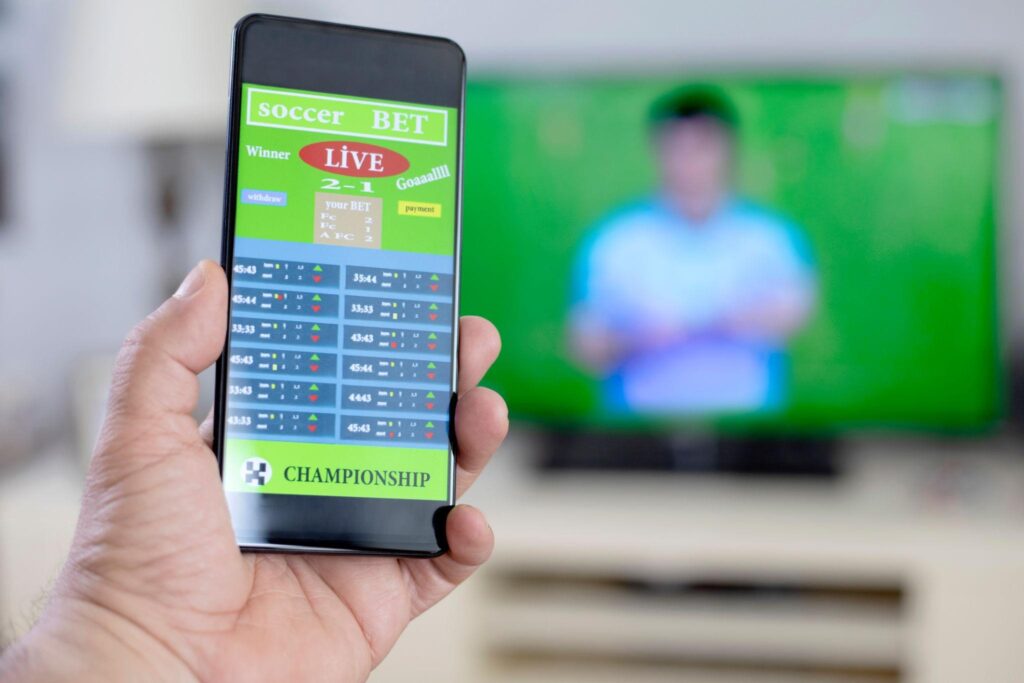
Live betting, also known as in-play betting, allows users to place wagers during the course of a sporting event. Unlike traditional bets made before kickoff, odds in live betting fluctuate constantly based on the match’s progression.
For example, a football match may start with balanced odds, but a red card, injury, or goal can instantly reshape probabilities. This creates a fast-paced environment where timing and observation become critical.
The popularity of live betting in Italy is tied to several factors:
These developments have made it possible for bettors to react instantly, often within seconds of key events.
Cash out is a complementary feature that allows bettors to settle a wager before the event concludes. Instead of waiting for the final result, users can accept a partial win or minimize losses depending on how the event is unfolding.
There are typically two types:
This feature introduces a layer of risk management previously absent in traditional betting. It effectively transforms a static bet into a flexible financial decision.
Italy is one of Europe’s most mature and regulated gambling markets. The sector has expanded significantly in recent years, driven by digital adoption and evolving user preferences.
Industry estimates indicate that total online gambling stakes reached approximately €77.85 billion in 2025, with player spending exceeding €3.3 billion. This growth reflects a stable and engaged user base.
Live betting plays a central role in this expansion. The convenience of mobile platforms and the immediacy of real-time wagering have made it particularly attractive. Analysts often point to accessibility and variety of betting options as key drivers behind this trend.
Moreover, the broader gambling market in Italy is projected to grow steadily, with increasing integration of digital technologies and user-centric features.
The Italian betting ecosystem is governed by the Agenzia delle Dogane e dei Monopoli (ADM), which ensures compliance, transparency, and consumer protection.
Key regulatory aspects include:
Recent reforms have significantly reduced the number of licensed operators, aiming to create a more controlled and transparent market. The transition toward a smaller number of authorized platforms reflects an effort to strengthen oversight and accountability.
Online gambling protection and responsible gambling is also a question in the UK. Check our UK Responsible Gambling page for more information.
Live betting would not exist without technological infrastructure capable of processing vast amounts of data instantly.
Core components include:
Artificial intelligence and machine learning are increasingly used to adjust odds dynamically. These systems analyze historical data, current match conditions, and user behavior to provide accurate and responsive pricing.
The result is a highly interactive ecosystem where odds can change multiple times within a single minute.
The introduction of live betting and cash out has altered how Italian users approach wagering.
Several behavioral trends stand out:
Interestingly, recent data suggests that while the number of bets may decrease, the value of individual wagers has increased. This indicates a shift toward more calculated betting behavior.
Different licensed platforms contribute to the evolution of live betting through interface design, odds presentation, and feature availability.
For instance, platforms like Domusbet have been part of the emerging group of operators gaining traction in the Italian market, reflecting a broader diversification of offerings beyond traditional market leaders.
Operators increasingly focus on:
These enhancements aim to keep users engaged throughout the duration of sporting events.
From a financial perspective, cash out introduces an element similar to trading.
Instead of a binary outcome (win or lose), bettors can:
This feature has blurred the line between betting and financial decision-making. While it offers flexibility, it also requires discipline, as premature cash-outs can reduce potential winnings.
Despite its popularity, live betting and cash out are not without criticism.
Key concerns include:
Regulators and industry stakeholders continue to emphasize responsible gambling measures. Italy has implemented self-exclusion programs and awareness initiatives to mitigate these risks.
The Italian market has become increasingly competitive, especially following regulatory changes.
Established operators coexist with newer entrants, each trying to differentiate through technology and user experience. In this environment, platforms such as Starvegas represent part of the broader ecosystem of licensed brands adapting to stricter compliance and evolving user expectations.
The shift toward fewer licenses has intensified competition, pushing operators to innovate while maintaining regulatory standards.
| Metric | Value |
| Total online stakes (2025) | €77.85 billion |
| Player spending (2025) | €3.3 billion |
| Licensed operators (post-reform) | ~50 |
| Market growth projection (to 2033) | €66.85 billion |
| Adult participation rate | ~18% |
Looking ahead, live betting and cash out are expected to evolve further with advancements in:
The integration of immersive technologies could transform live betting into an even more interactive experience, potentially resembling real-time gaming environments.
At the same time, regulatory frameworks will likely continue to adapt, balancing innovation with consumer protection.
Live betting takes place during an event with constantly changing odds, while pre-match betting is placed before the event starts with fixed odds.
No, availability depends on the operator, the type of bet, and the stage of the event.
Yes, it is legal when offered by operators licensed by ADM, the national regulatory authority.
Yes, it allows bettors to exit a bet early and recover part of the stake, depending on current conditions.
Odds change based on real-time events during the match, such as goals, fouls, or injuries, as well as betting market activity.