
Over the past few years, mobile betting has completely reshaped the Italian gambling scene, moving activity away from traditional betting shops toward digital platforms that are accessible anytime, anywhere. What used to be a social activity tied to physical locations has turned into a highly individualized, always-available experience driven by smartphones.
This evolution goes beyond simple technological progress. It signals deeper shifts in user behavior, expectations, and consumption habits. With millions of Italians now betting through mobile apps, the way people place wagers, engage with platforms, and assess risk has changed dramatically.
Italy stands among Europe’s most established regulated gambling markets, and its shift toward digital has been particularly striking. Industry figures show that online gambling grew by more than 150% between 2019 and 2024, with mobile usage acting as the main catalyst.
Smartphone adoption has played a central role in this transformation. Today:
These figures make one thing clear: mobile betting is no longer a secondary option—it has become the primary channel for gamblers in Italy.
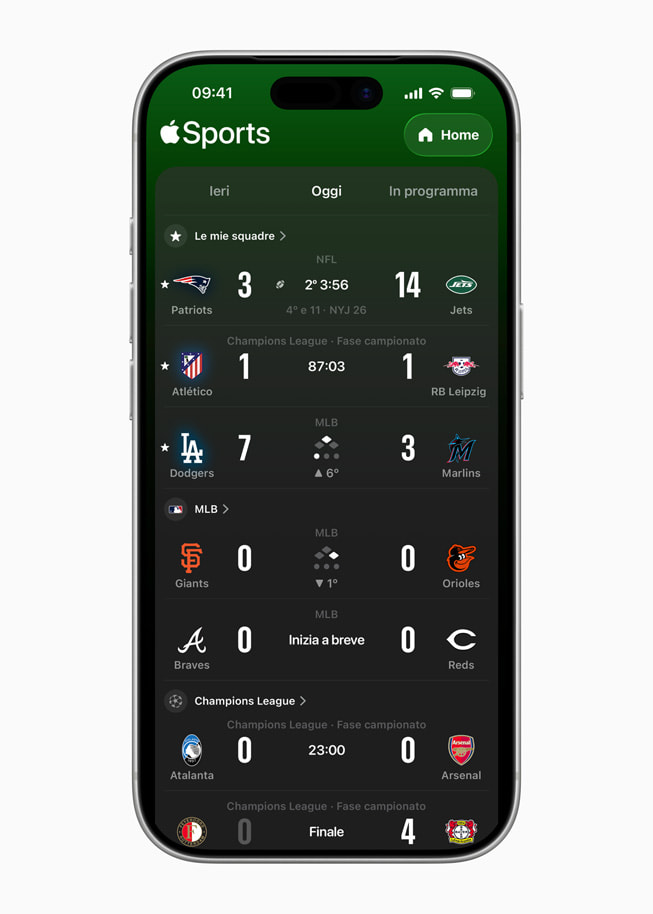
Mobile apps have removed nearly all friction from the betting process. Instead of visiting a betting shop, users can now place wagers instantly from their phones.
Push alerts, real-time odds, and live match updates constantly encourage interaction, turning bettors into active, ongoing participants rather than occasional players.
One of the most noticeable changes is the growth of live, or in-play, betting. Mobile platforms allow users to react instantly to events during matches.
In Italy, a significant portion of wagers now occurs during live games, highlighting a shift toward more spontaneous and reactive betting behavior.
Modern apps rely heavily on algorithms to customize the user experience.
This creates a subtle feedback loop, where users are continuously guided toward specific options, shaping their decisions in ways that often go unnoticed.
Italy’s gambling sector is governed by one of the most structured regulatory systems in Europe, supervised by the
Agenzia delle Dogane e dei Monopoli.
This authority ensures that operators comply with strict standards related to:
For official guidelines and updates, users can consult the ADM Official Website.
Recent regulatory changes have reinforced compliance measures, including:
The goal is to strike a balance between innovation and consumer protection, especially as mobile betting continues to dominate.
Lottomatica, one of Italy’s leading operators, offers a clear example of how traditional companies have adapted to the mobile era.
Originally focused on retail gaming, the brand has successfully expanded into digital, developing mobile apps that combine:
This shift reflects a broader industry movement, where established operators are transitioning toward mobile-first strategies to deliver seamless experiences across devices.
In the past, betting in Italy was largely a social activity. Betting shops served as meeting places where people:
Mobile betting has made the experience far more individual. Users now interact privately, often without any social component.
Key consequences include:
This shift mirrors wider digital trends seen across many industries.
| Indicator | Value | Source Insight |
| Mobile penetration in gambling | 71% | Strong smartphone adoption |
| Monthly mobile bettors | 2.6 million | Expanding user base |
| Online betting share (sports) | ~78% | Digital dominance |
| Online market growth (2019–2024) | +153% | Rapid expansion |
| Total gambling market value (2024) | €157.4 billion | Major economic impact |
Sources: Industry reports and market research
Mobile betting apps are built for speed and simplicity. Features such as one-click betting, saved payment options, and instant alerts reduce barriers to action.
However, this convenience also shapes behavior:
These design choices play a powerful role in influencing users—often without them being fully aware of it.
As mobile betting grows, concerns around responsible gambling have become more prominent. Easier access can increase risks, particularly among younger audiences.
Italy has introduced several protective measures:
For official information, refer to the
Italian Government Gambling Info.
In addition, awareness campaigns and regulatory oversight aim to reduce risks while maintaining a controlled and legal market environment.
Admiralbet provides another example of how user experience is shaping mobile betting.
Its platforms emphasize:
These elements reflect broader industry priorities, where usability directly impacts engagement and retention. The success of such platforms shows how design influences not only interaction but long-term habits.
Mobile betting plays a significant role in Italy’s economy, generating billions in tax revenue and supporting thousands of jobs.
At the same time, the shift to digital raises important questions:
These challenges remain central to ongoing policy discussions.
Looking ahead, mobile betting is expected to remain the leading channel in the industry. Emerging technologies such as:
will further enhance the user experience.
At the same time, regulations will likely continue to evolve to address new risks, ensuring that growth stays both sustainable and responsible.
Mobile betting has fundamentally changed how Italians engage with gambling. What was once a social, location-based activity is now a digital and highly personalized experience.
While this shift brings convenience and innovation, it also introduces new challenges related to behavior, regulation, and responsibility. Understanding these dynamics is essential for both users and policymakers as the industry continues to develop.
Yes, it is legal as long as it is offered by operators licensed by the ADM, which regulates the sector.
It represents the majority of online gambling activity, with millions of active users each month.
Greater accessibility can lead to more frequent betting and an increased risk of problem gambling if not properly managed.
Yes, regulations include deposit limits, self-exclusion options, and strict identity verification measures.
They have made betting quicker, more frequent, and more personalized, shifting the experience from social environments to individual use.